Hong Kong Outdoor Advertising | Banners, Exterior Wall Stickers & Hoardings
Greenbase AD undertakes large-scale outdoor advertising projects, ranging from building facade wraps to versatile billboard structures. We manage every phase with strict precision—from initial site surveys and engineering planning to in-house fabrication and complex on-site installation.
We evaluate safety compliance and statutory submission requirements based on each project’s dimensions, site location, and installation methods. Furthermore, we coordinate with registered professionals, licensed contractors, and certified personnel to ensure full regulatory compliance. We empower brands to establish high-impact visual presence across busy commercial districts, landmark building facades, and construction sites throughout Hong Kong. Our services cover:
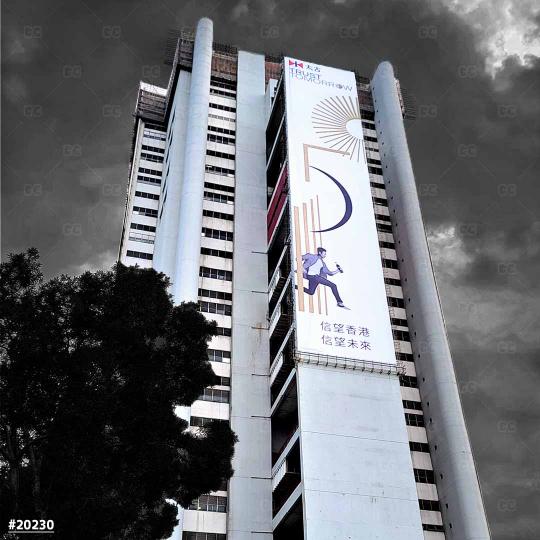
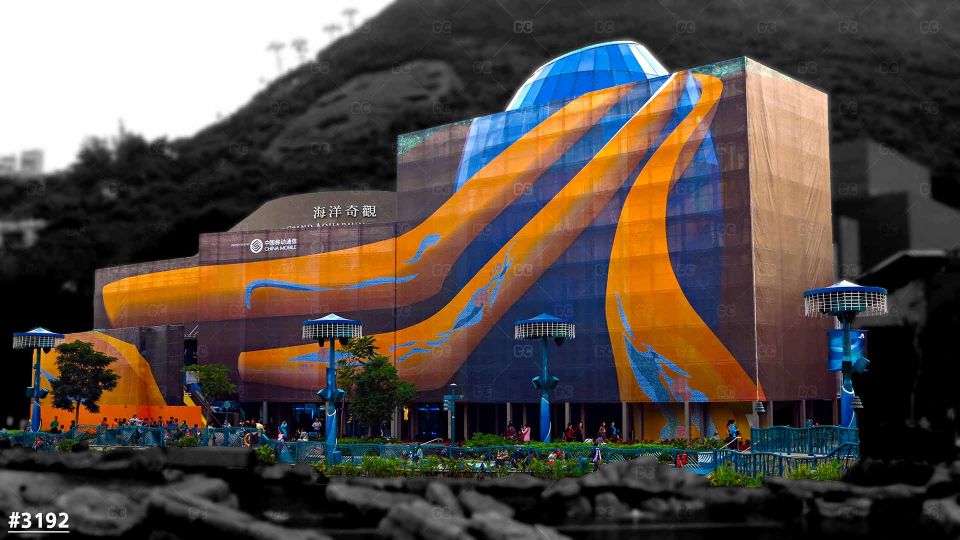
- Building Façade BannersTensioned front-lit vinyl, Large building and signboard graphics
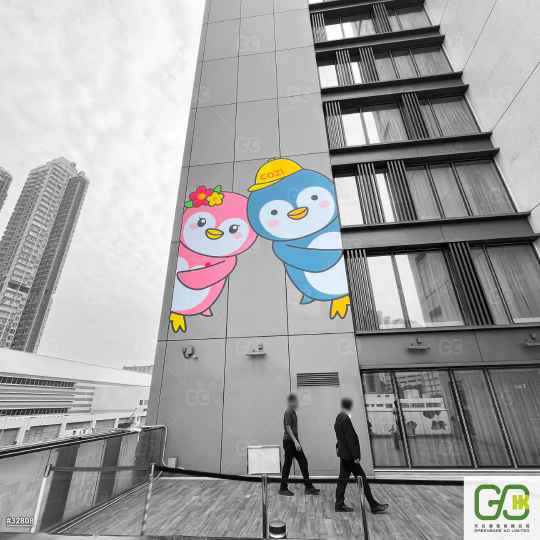
- Concrete & Rough-Wall GraphicsConcrete walls, Exterior tiles and granite
- Glass Curtain-Wall GraphicsLarge exterior glazing graphics, One-way perforated film
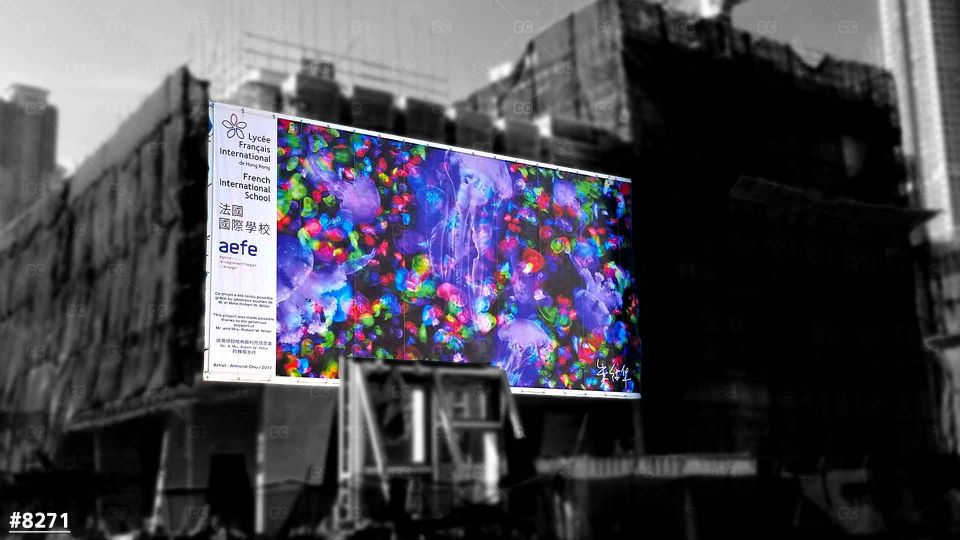
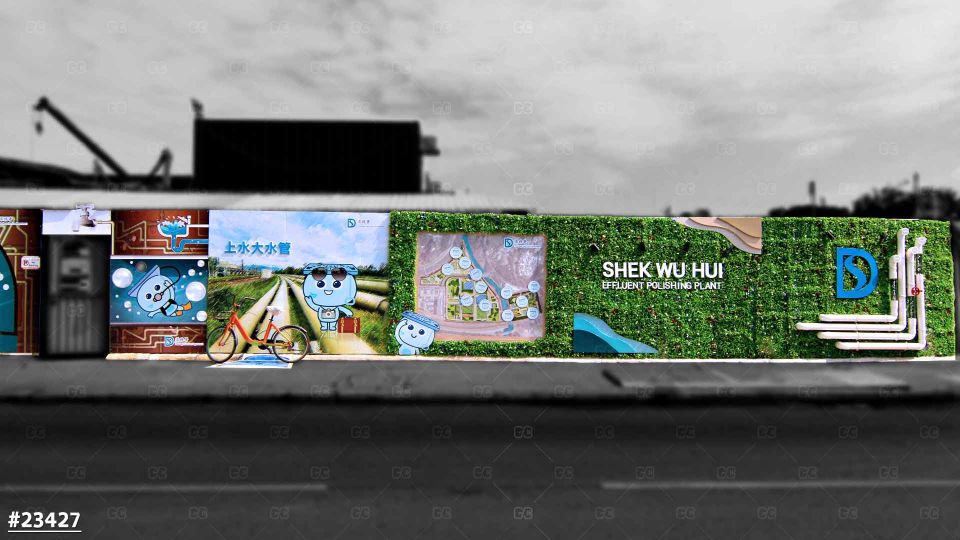
- Construction Hoarding AdvertisingGraphics mounted on aluminium composite panels, Interactive hoarding features
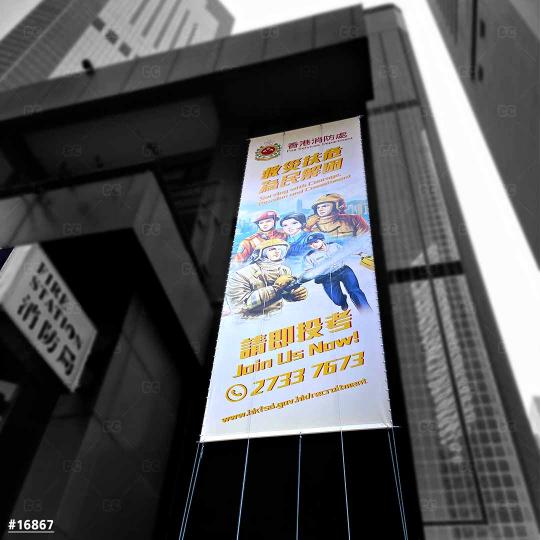
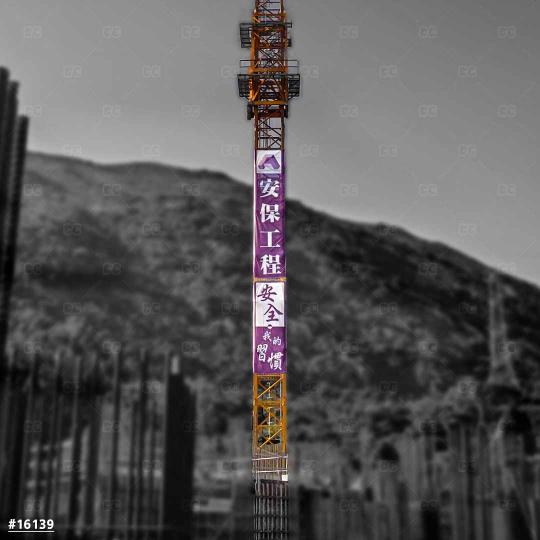
- High-Level Mesh BannersAir-permeable micro-perforated mesh, Construction, scaffolding, and building wraps
From material selection, high-definition printing, and structural planning to installation by suspended platform or mobile elevating work platform, Greenbase develops a practical solution for each site with careful attention to visual impact, weathering performance, and installation safety.
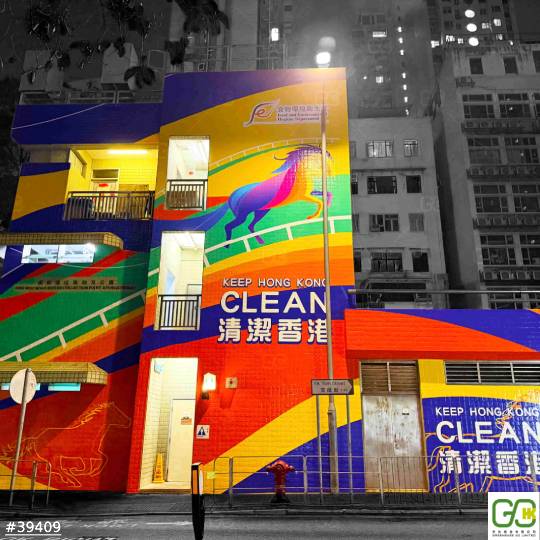
Front-Lit Vinyl

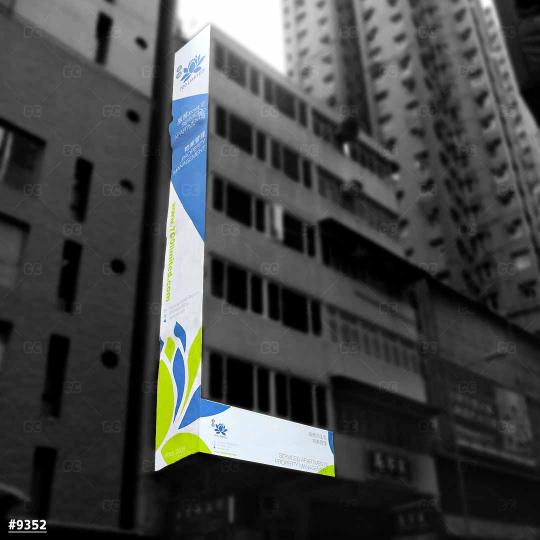
Concrete Sticker

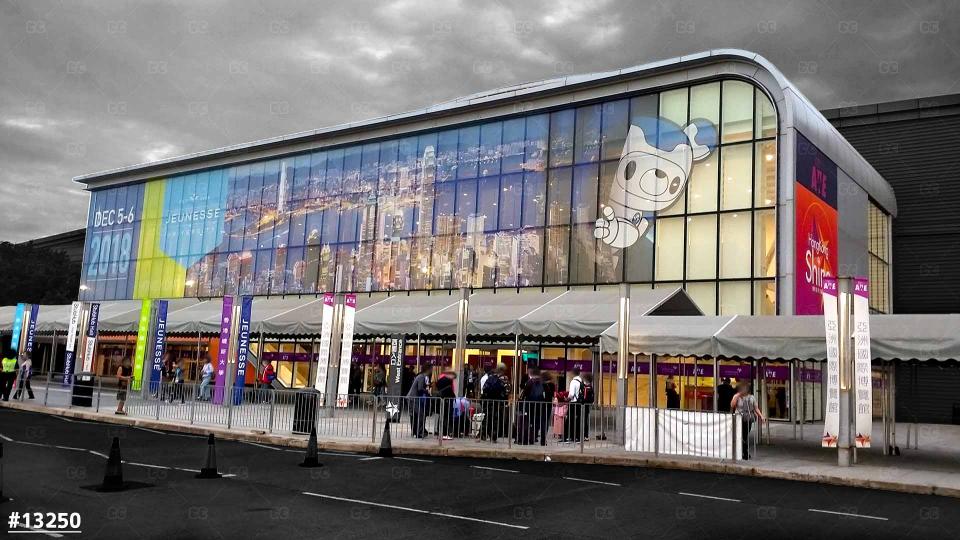
Glass Curtain Wall

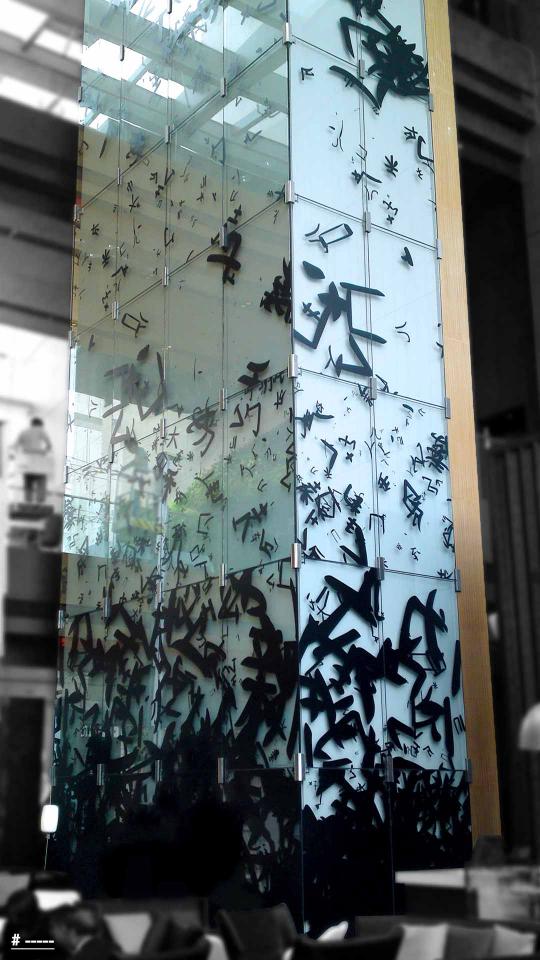
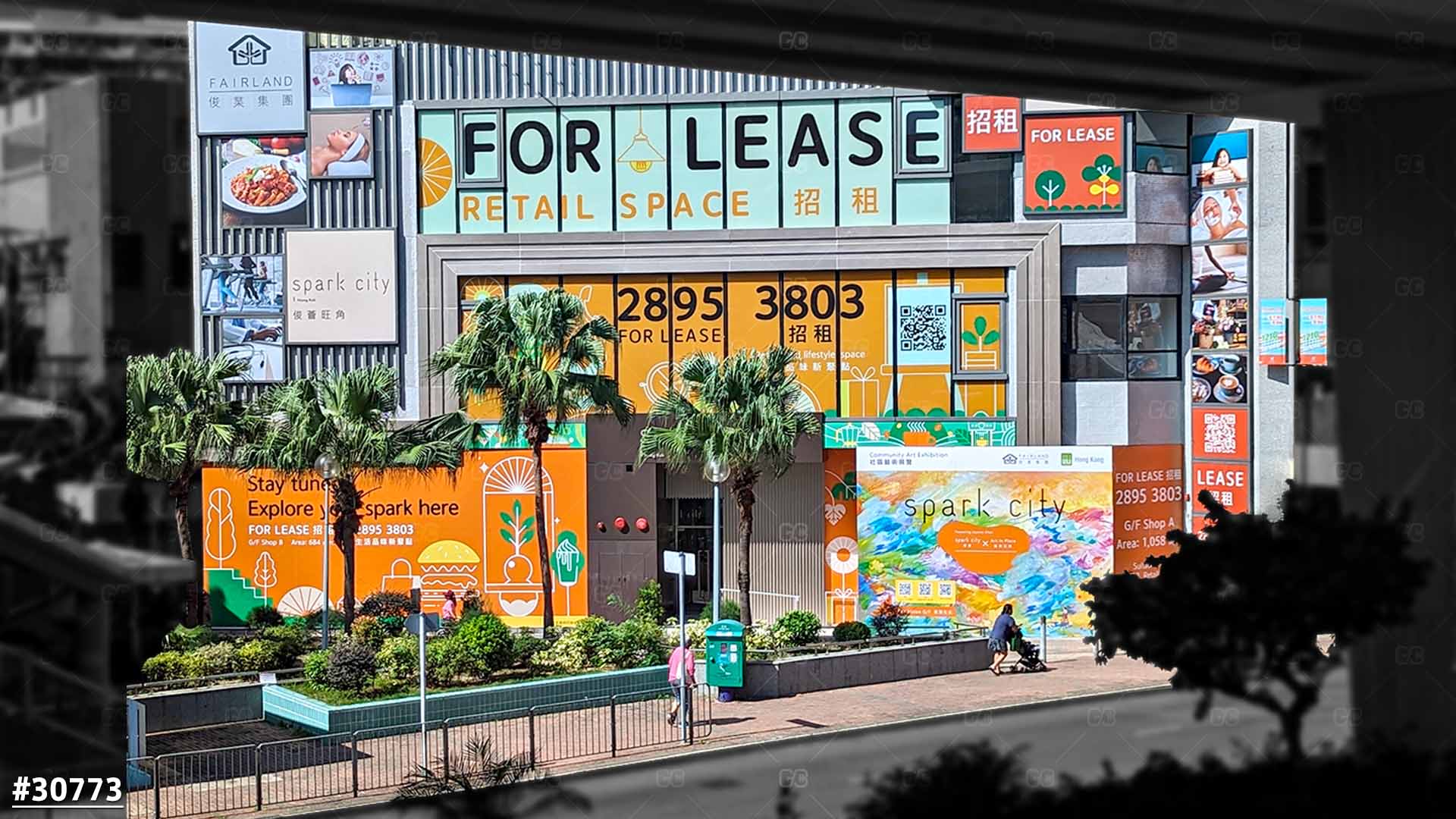
Outdoor Hoarding

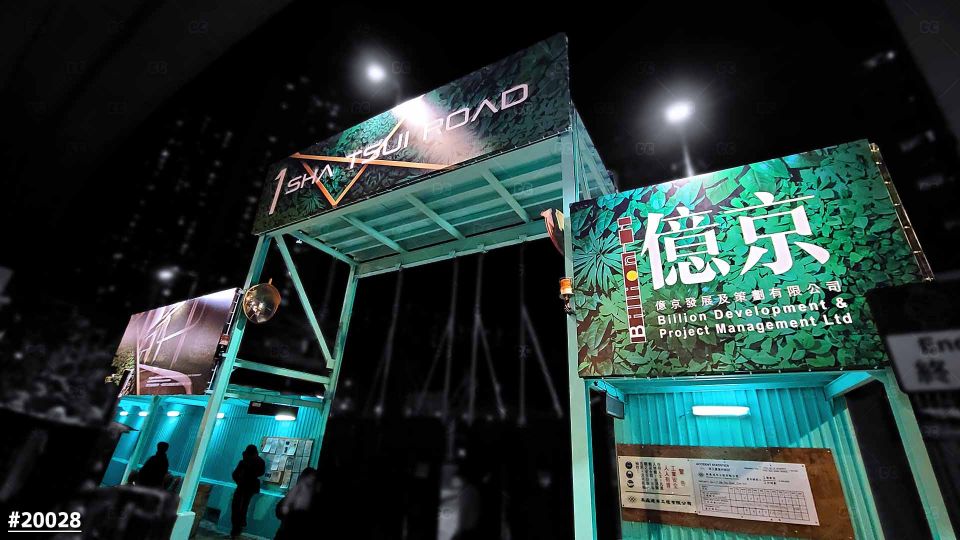
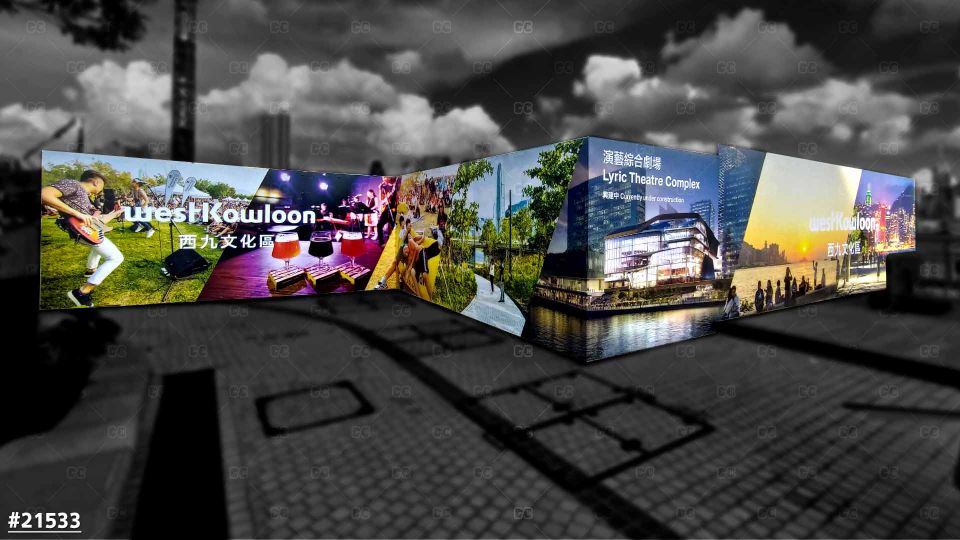
Fabric
Outdoor Advertising FAQs in Hong Kong
Answers about signboard submissions, concrete graphics, curtain-wall films, construction hoardings, and high-level installation.
01Does a building façade banner or large signboard require a government submission in Hong Kong?
It depends on the structure, size, location, and installation method. The Buildings Department treats signboards as building works controlled under the Buildings Ordinance. Some smaller works may follow the Minor Works Control System, while works meeting the specifications for designated exempted works do not require prior approval. We first assess the site and works category, then coordinate the appropriate registered professional or contractor for submissions and compliant installation where required.
02How are concrete graphics different from ordinary outdoor stickers, and will they damage the wall?
Concrete graphics use a highly adhesive, conformable film designed for rough surfaces such as concrete, exterior tiles, and granite. Because the film does not require screws or a metal frame, no drilling is needed solely for fixing the graphic, and installation and removal are more flexible. Any statutory submission requirement must still be assessed against the actual project specifications.
03Will glass curtain-wall graphics affect natural light and the view from inside?
One-way perforated film can display a complete advertising image from outside while retaining a degree of daylight and outward visibility from inside. The actual light transmission and view depend on the perforation ratio, printed coverage, lighting conditions, and installation location.
04How do you reduce fading or bubbling on construction hoarding graphics exposed to the weather?
For corrugated metal hoardings, we first mount the graphics onto flat aluminium composite panels before securing them to the hoarding. We select weather-resistant film and original anti-UV printing inks for the site conditions, and inspect the substrate, edges, and fixing points before installation to reduce fading, bubbling, and edge lift during long-term outdoor use.
05Does the installation team have the appropriate safety competence for high-level mesh or building-wrap advertising?
We arrange personnel who have received relevant training and are competent for the selected method of work, using suitable suspended platforms or mobile elevating work platforms. The work plan, inspections, and emergency arrangements follow equipment requirements and Labour Department guidance, with the final personnel, equipment, and safety controls determined by the site-specific risk assessment.